Italiano
 Deutsch

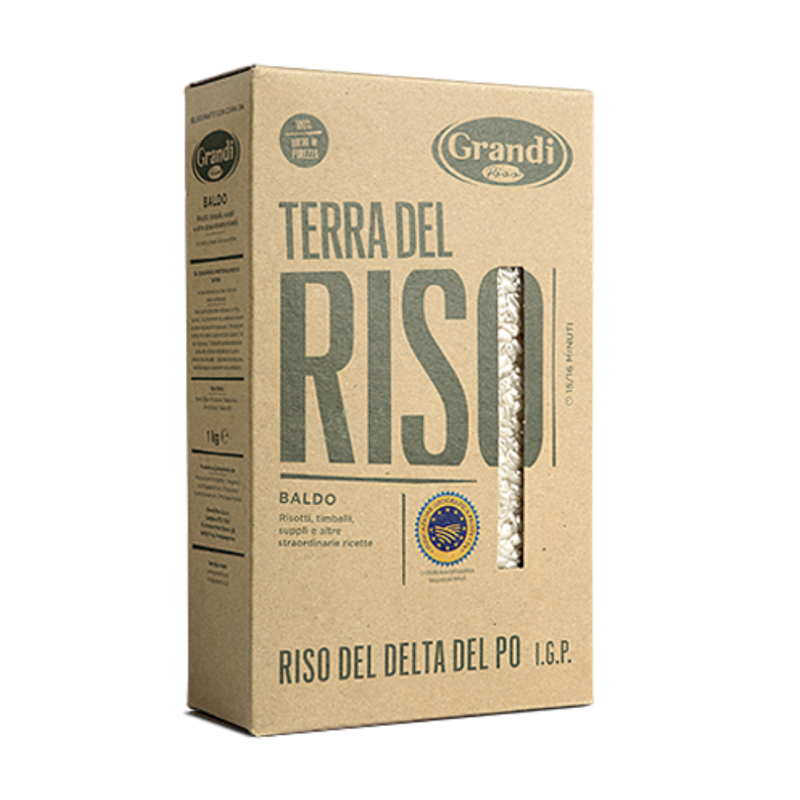
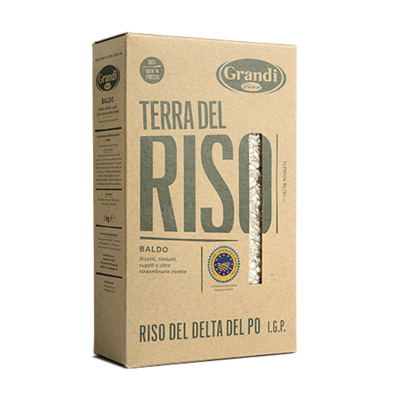
Riso del Delta del Po IGP - BALDO
Weight of the product: 1 kg
Producer: Grandi Riso
Bag packaged in modified atmosphere
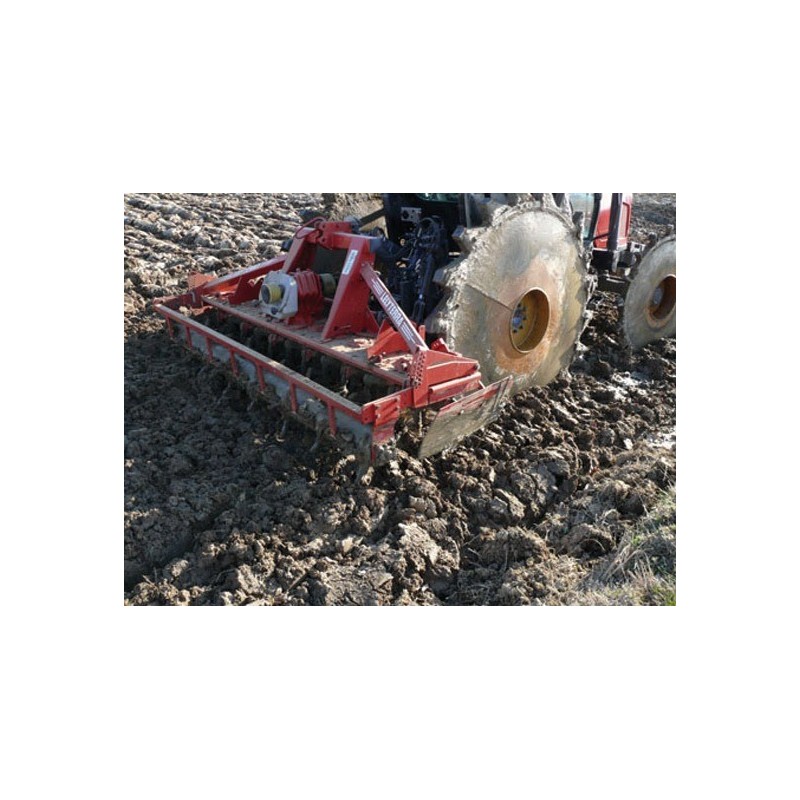
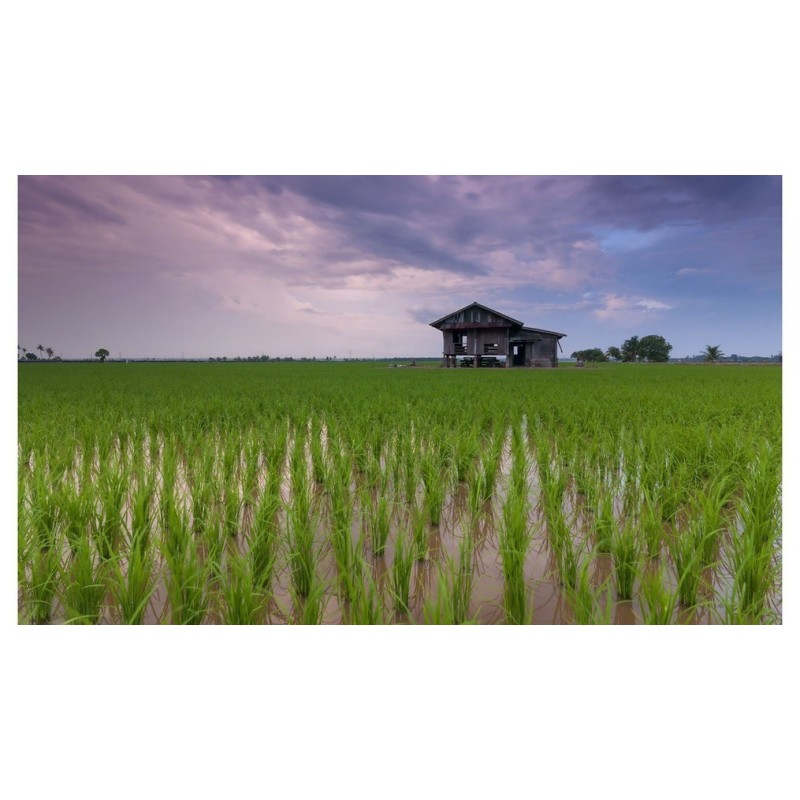
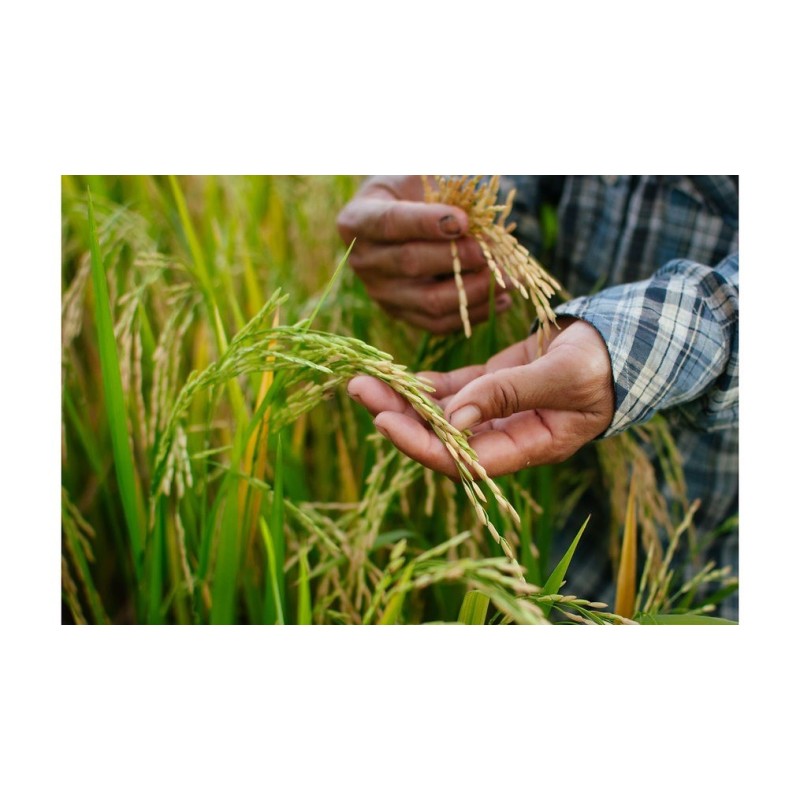
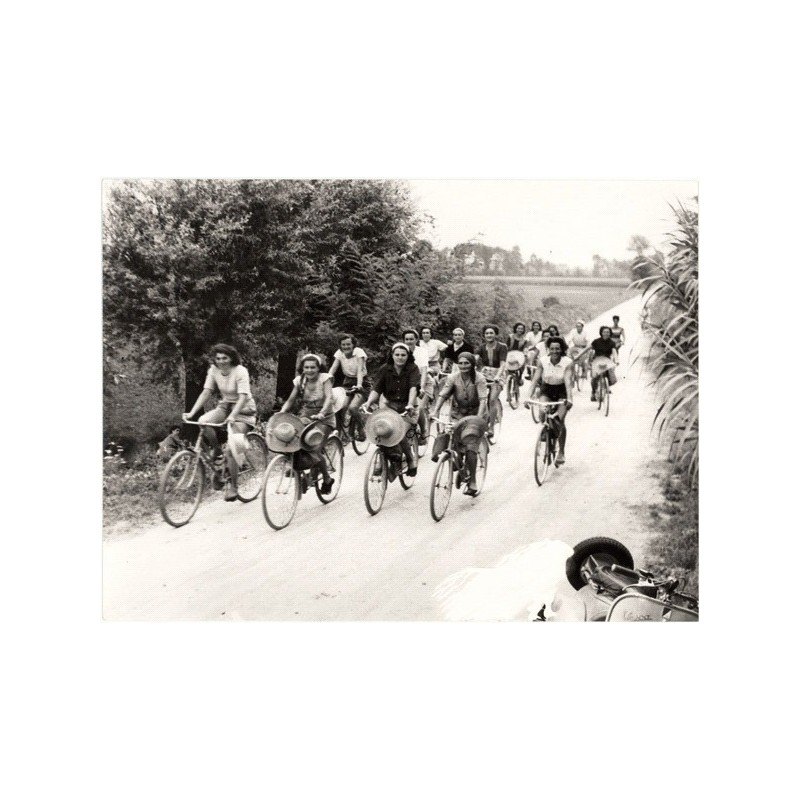
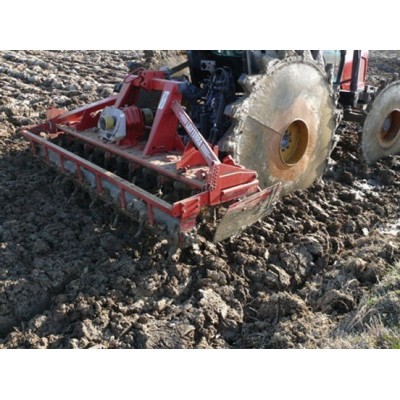
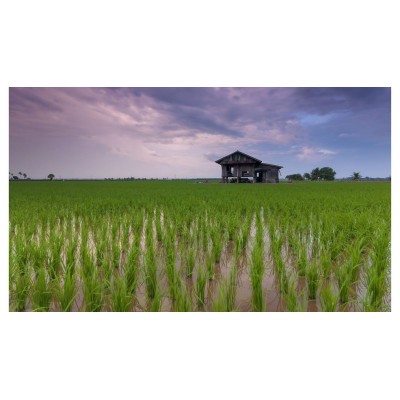
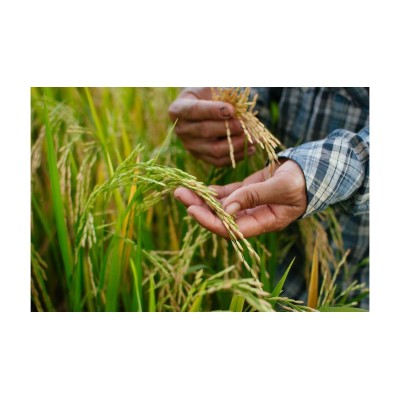
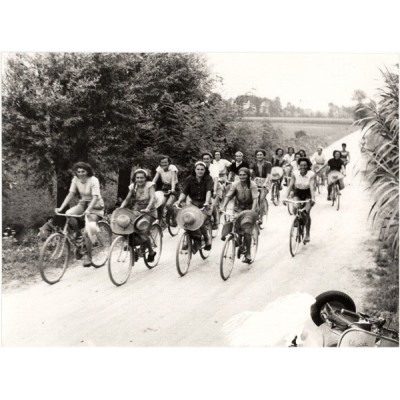
The cultivation process of Riso del Delta del PoIGP is illustrated alongside with the historical photo of the weeders going to the rice fields.
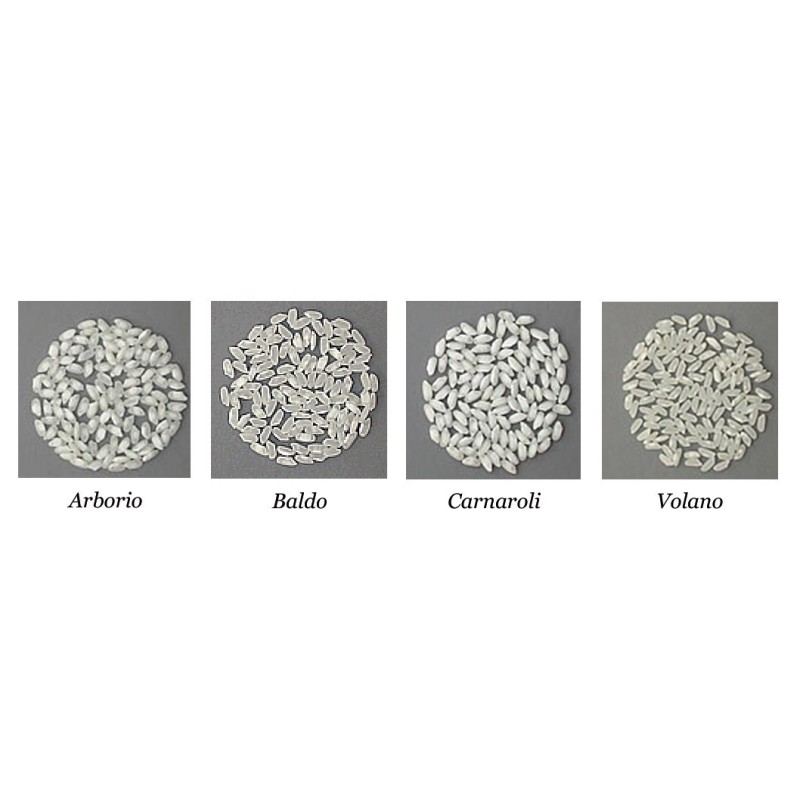
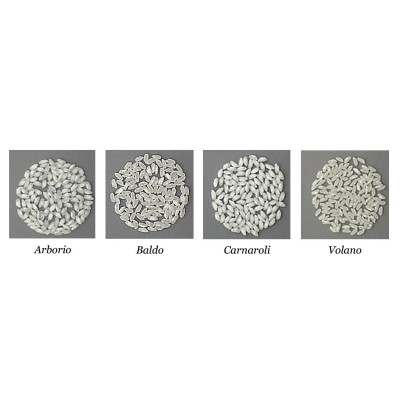
Riso del Delta del Po PGI refers to the product obtained from the cereal belonging to the Oryza sativa L. species, Japonica subspecies, Superfine group, in the varieties: Carnaroli, Arborio, Baldo, Volano, Caravaggio, Cammeo, Keope, Telemaco and Karnak.
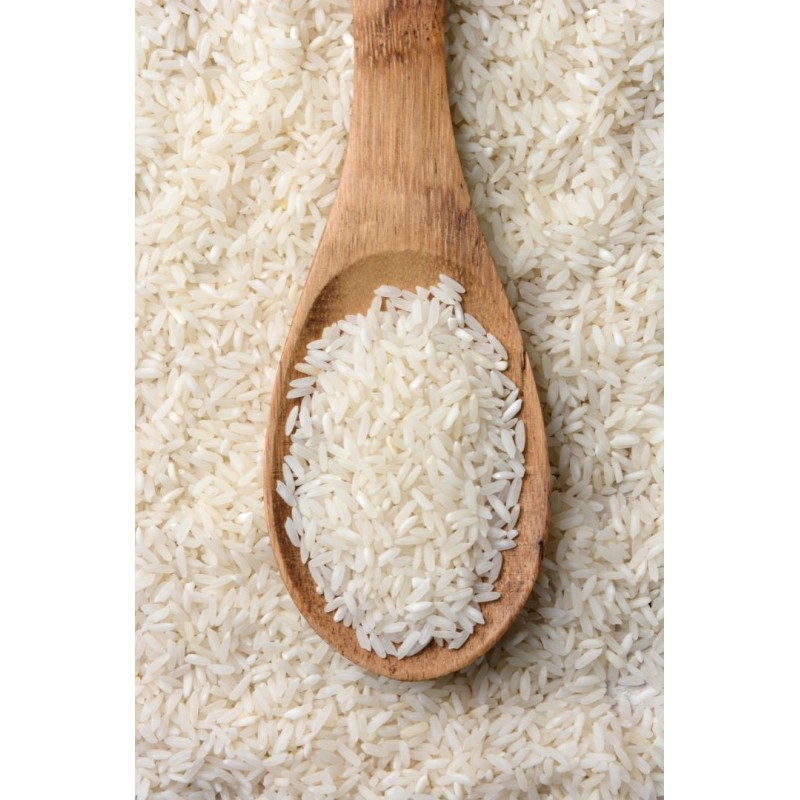
This is the pure Baldo version, meaning all the grains have the same size and origin, without being mixed with others similar grains of other varieties: in this way you are sure to buy only Baldo rice.
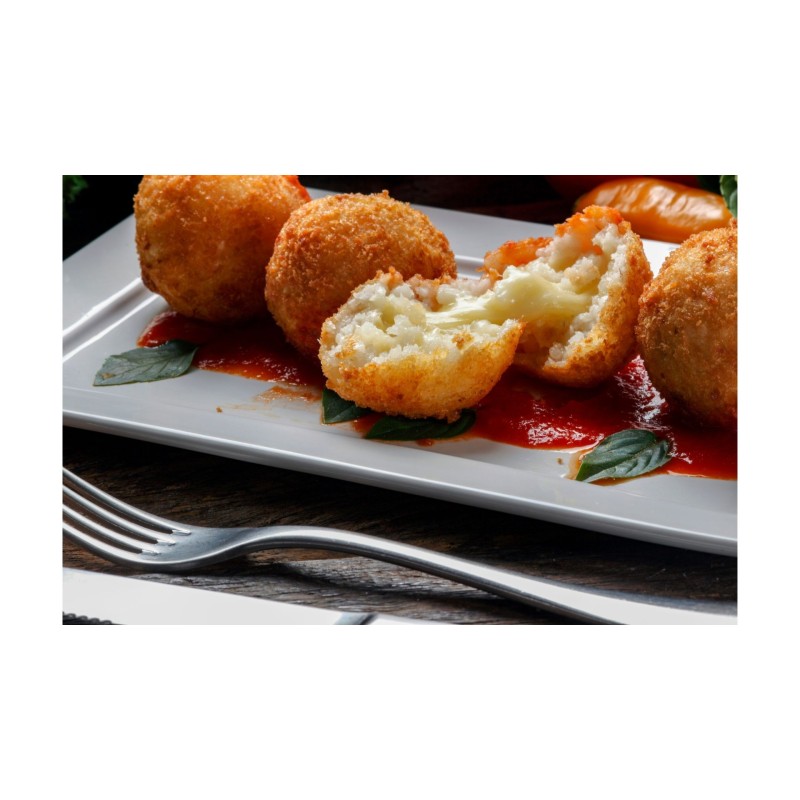
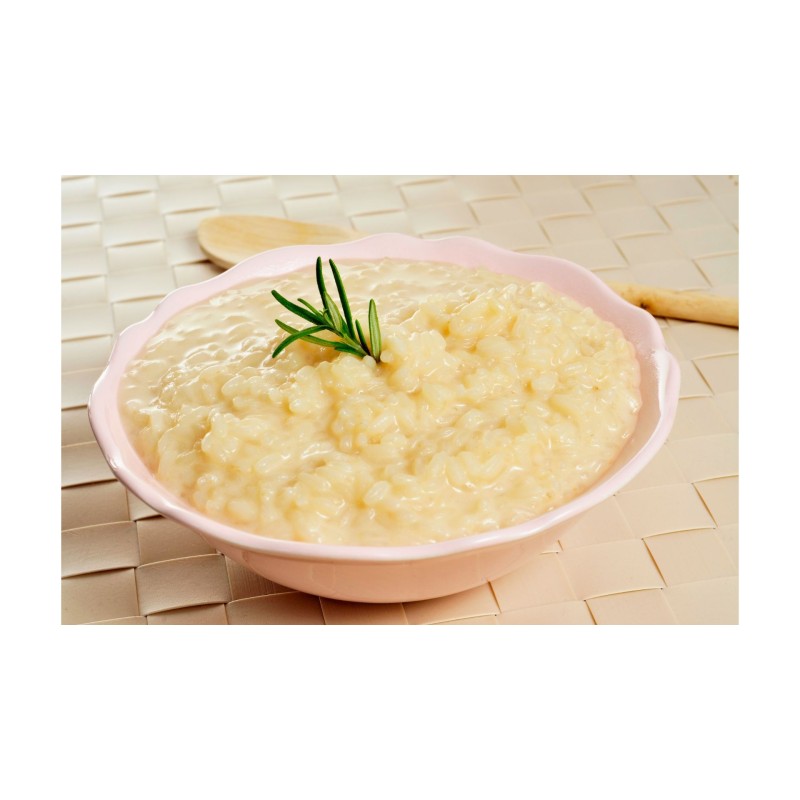
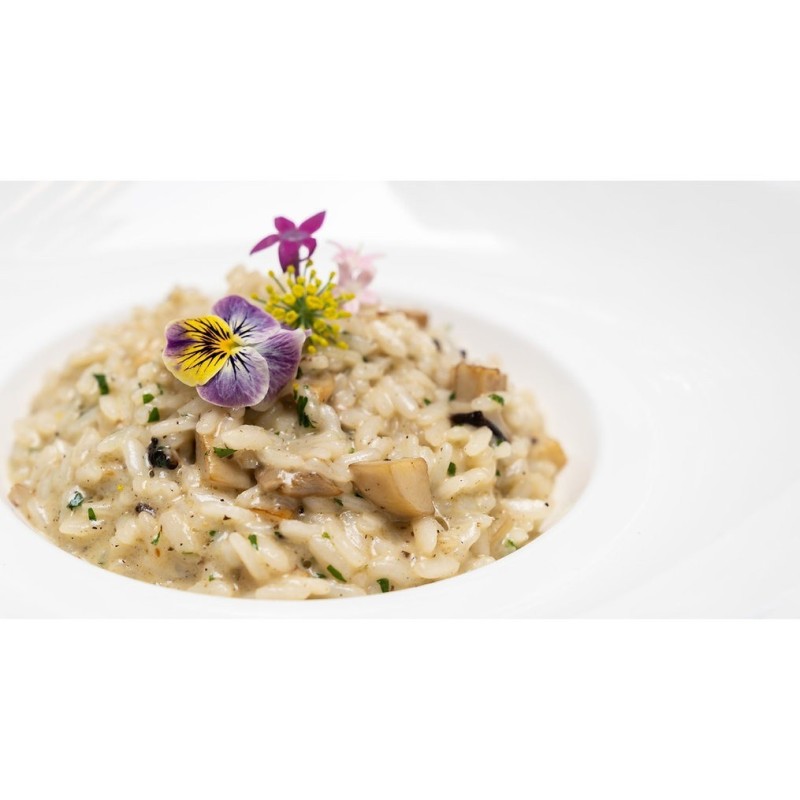
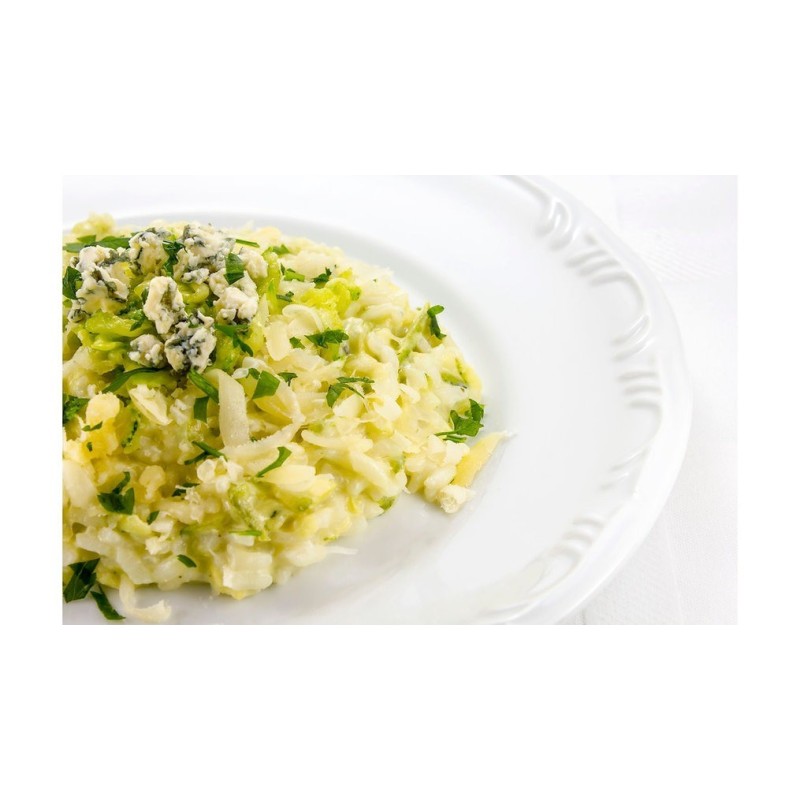
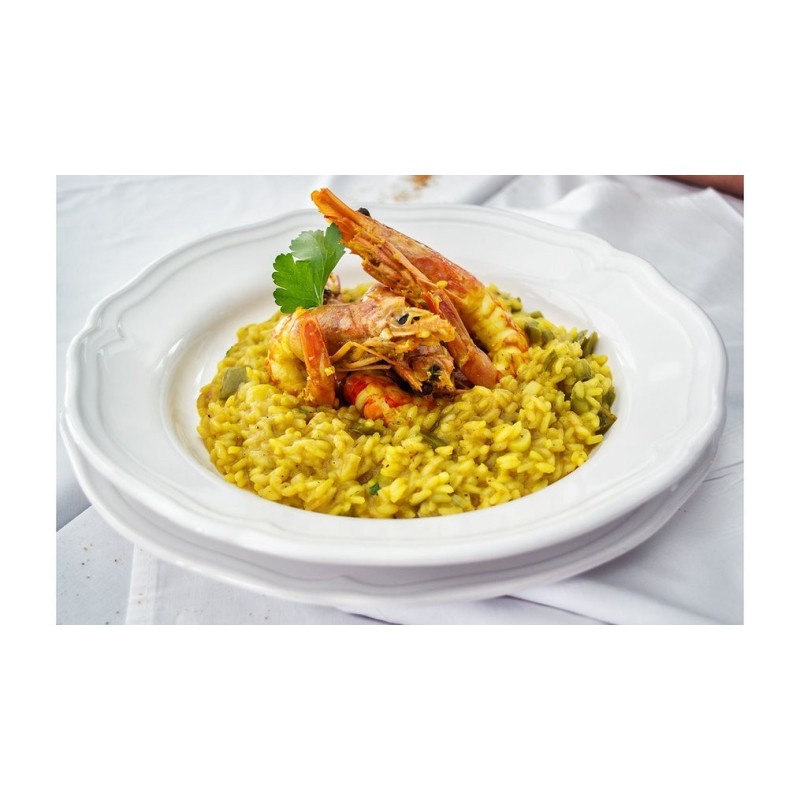
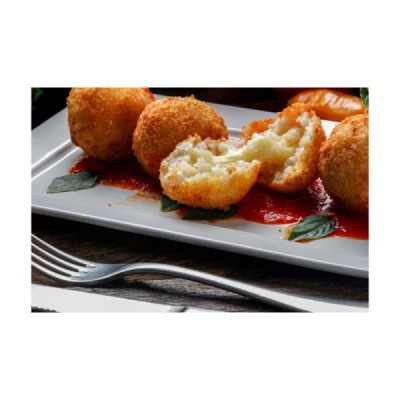
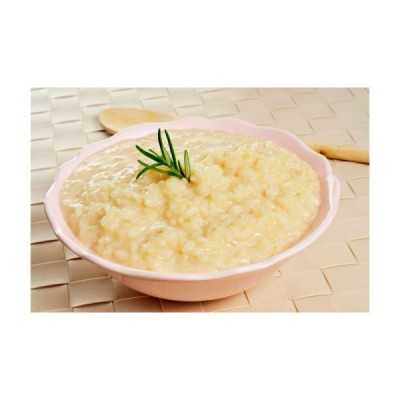
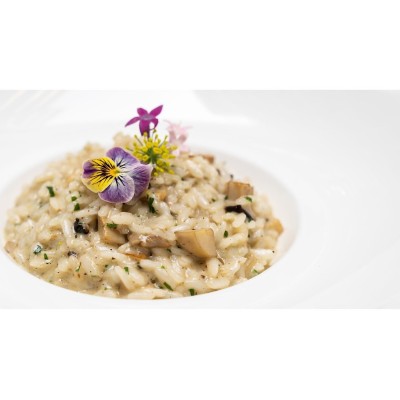
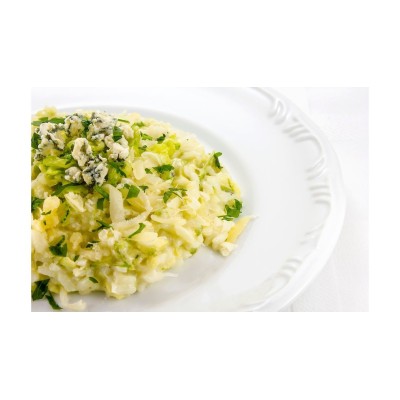
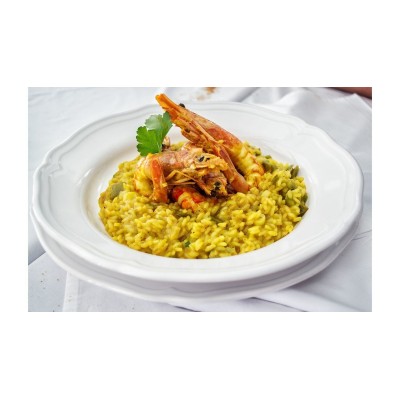
Baldo rice is par excellence the rice of expert chefs and starred cuisines, thanks to the starch it releases during cooking. In fact, Baldo has a particular ability to absorb condiments. For this quality it is recommended in the preparation of excellent risotto dishes which can be easily creamy, well creamed and well blended but also for arancini and soups.
The production area of Riso del Delta del Po PGI includes the territories of the municipalities of Ariano nel Polesine, Porto Viro, Taglio di Po, Porto Tolle, Corbola, Papozze, Rosolina and Loreo, in the province of Rovigo in the Veneto region, and the municipalities of Comacchio, Goro, Codigoro, Lagosanto, Massa Fiscaglia, Migliaro, Migliarino, Ostellato, Mesola, Jolanda di Savoia and Berra, in the province of Ferrara, in the Emilia-Romagna region.
All cultivation and transformation operations are aimed at guaranteeing the quality, traditionality and traceability of the product. The high natural fertility of the land and the particular climate often make the use of fertilizer superfluous, which is used only when necessary. The seeds must come from selected and certified lots. The rice field cannot remain on the same soil for more than eight years, after which it must enter into rotation for at least two years. Sowing takes place in late spring (May) while harvesting takes place in September/October. For the drying phase, dryers that do not leave combustion residues or foreign odors on the husks are permitted. Dried rice must have a humidity percentage of less than 14%. All transformation phases must take place in authorized and controlled factories.
The first official document on rice dates back to 1475; in it Galeazzo Maria Sforza, Duke of Milan, sends a precious load of rice to Ercole I d'Este, Duke of Ferrara, praising its virtues. The Este family's choice to invest in rice cultivation proved providential: the new land, together with the climate, proved to be particularly suitable for hosting the prized white grains. Between the eighteenth and nineteenth centuries, important Venetian families initiated further reclamation works whose aim was to extend the rice fields throughout the delta territory, contributing to the valorisation of these areas still balanced between land and water. Its qualities were certified in 1950 by a declaration from the Head of the Department of the Departmental Agricultural Inspectorate of the Venetian Region, Viscardo Montanari, who extolled its qualities, considering it among the finest in Italy. The disastrous floods of the 1950s and 1960s dealt a severe blow to the spread of rice cultivation, which only recovered in the 1990s, and continued into the new millennium with PGI recognition and the birth of the Protection Consortium.
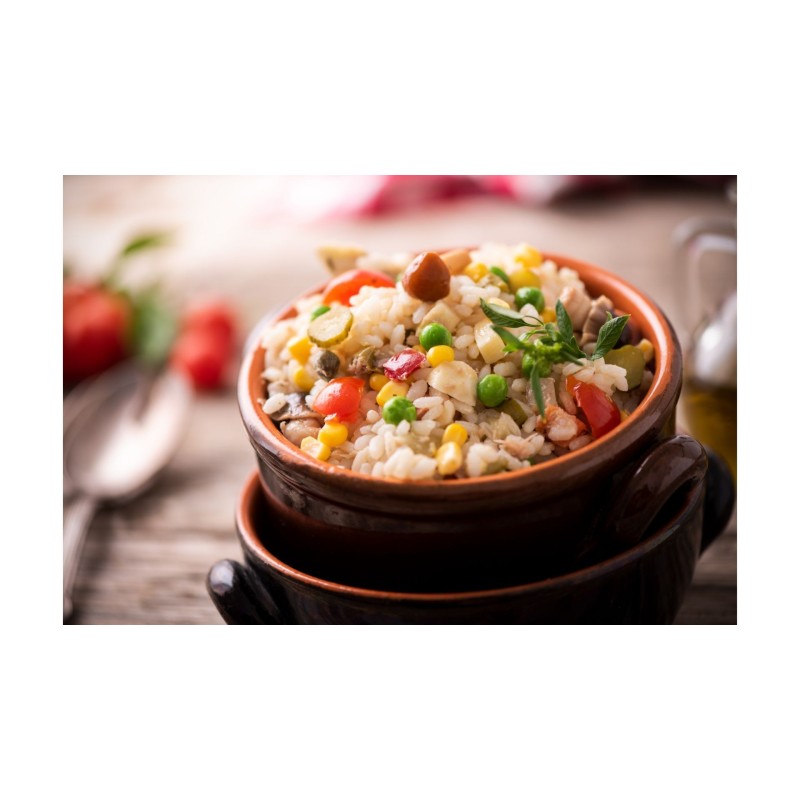
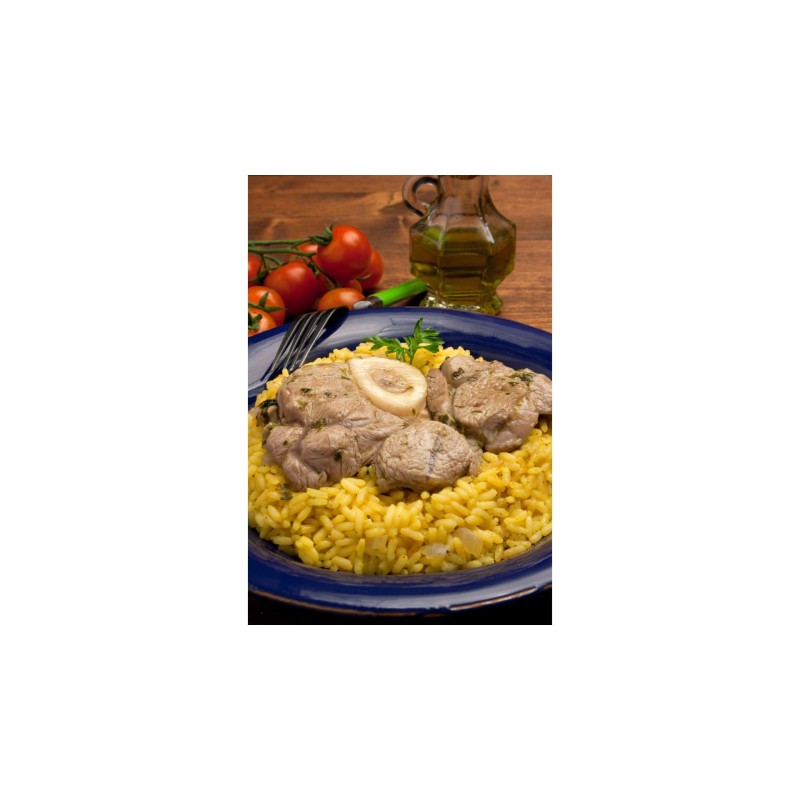
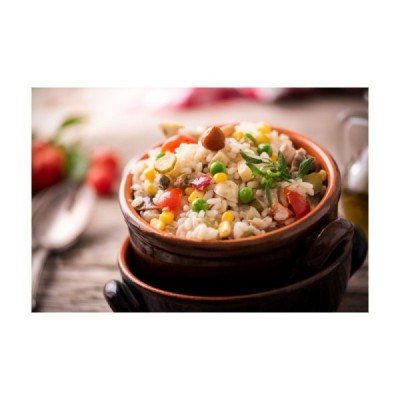
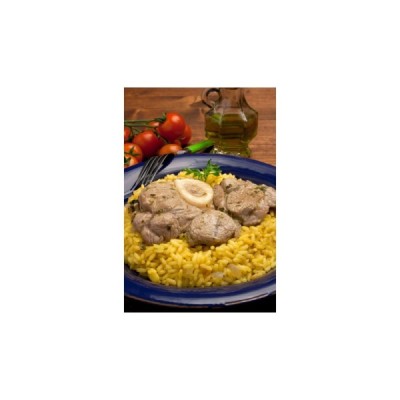
Baldo is very rich in mineral salts and nourishing properties for the organism, for this reason and for its high cooking characteristics (thanks to the starch it releases) it is the rice preferred by chefs. Excellent for risottos that require a long creaming, such as risotto with 4 cheeses or with ossi bucco; also try it with soups, arancini and rice bombe (a typical Reggio Emilia dish). Finally, it is widely used for rice salad.
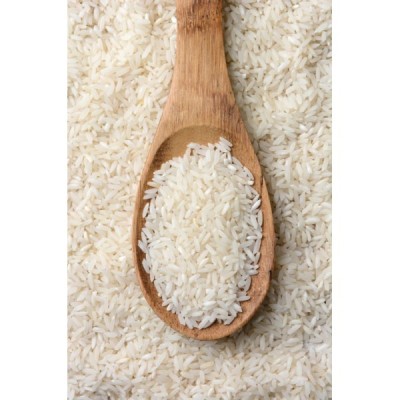
100% pure Baldo rice
prodotto buonissimo. sapore genuino e ingredienti di qualità. Davvero perfetto.
hochwertige Zutaten. intensives Aroma. Fast perfekt. toller Kauf.
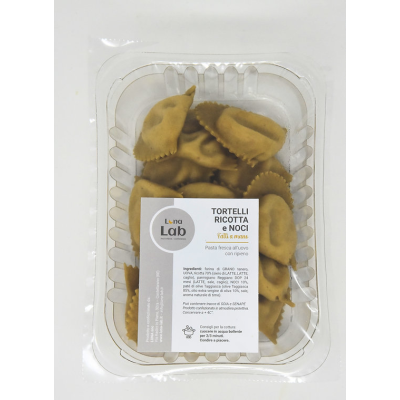
Handmade ricotta and walnut tortelli
Product weight: 250g
Producer: Pastificio Luna Lab
Upon receipt of your order, the product can be stored in the refrigerator for 20 days and in the freezer for 3 months.
The product arrives packaged in a protective atmosphere and ready for use.
ATTENTION: Orders for this product will be shipped exclusively on Mondays and Tuesdays, to ensure delivery within the working week and avoid them being held in storage at the courier over the weekend.
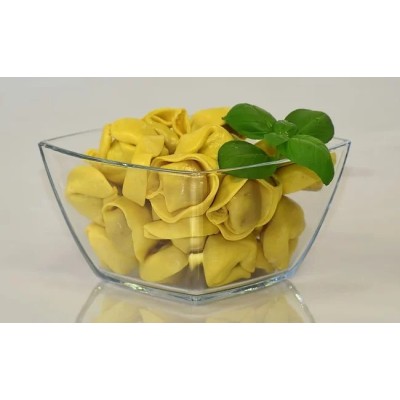
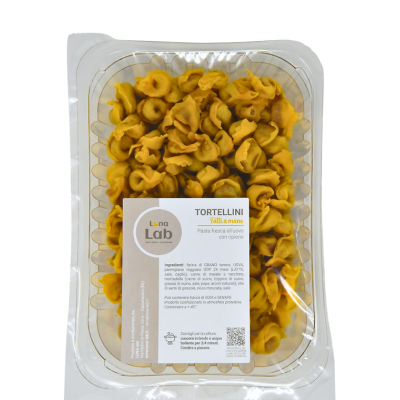
Handmade artisanal tortellini
Product weight: 750 g
Producer: Pastificio Luna Lab
Upon receipt of your order, the product can be stored in the refrigerator for 20 days and in the freezer for 3 months.
The product arrives packaged in a protective atmosphere and ready for use.
ATTENTION: Orders for this product will be shipped exclusively on Mondays and Tuesdays, to ensure delivery within the working week and avoid them being held in storage at the courier over the weekend.
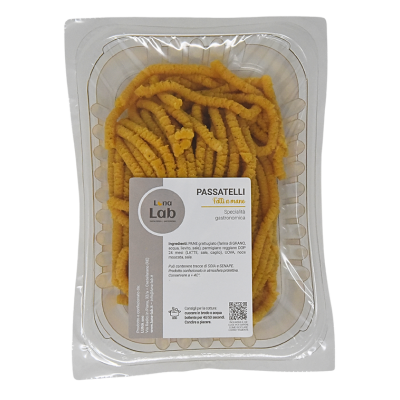
Handmade artisanal passatelli
Product weight: 500g
Producer: Pastificio Luna Lab
Upon receipt of your order, the product can be stored in the refrigerator for 20 days and in the freezer for 3 months.
The product arrives packaged in a protective atmosphere and ready for use.
ATTENTION: Orders for this product will be shipped exclusively on Mondays and Tuesdays, to ensure delivery within the working week and avoid them being held in storage at the courier over the weekend.
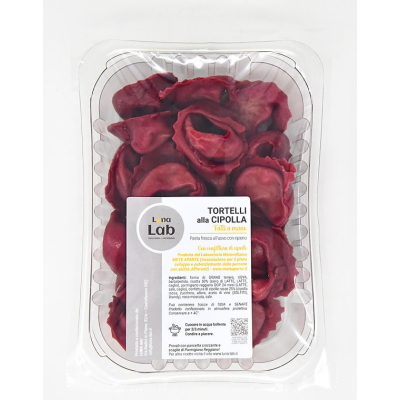
Handmade Onion Tortelli
Product weight: 500g
Producer: Pastificio Luna Lab
Upon receipt of your order, the product can be stored in the refrigerator for 20 days and in the freezer for 3 months.
The product arrives packaged in a protective atmosphere and ready for use.
ATTENTION: Orders for this product will be shipped exclusively on Mondays and Tuesdays, to ensure delivery within the working week and avoid them being held in storage at the courier over the weekend.